
Living in the United States and missing the flavors I grew up with, I had two choices: learn to live without them or learn how to recreate them at home. As you can probably guess, I chose the second option. This homemade Lizano-style sauce is one of those recipes that started as an experiment and ended up becoming a favorite.
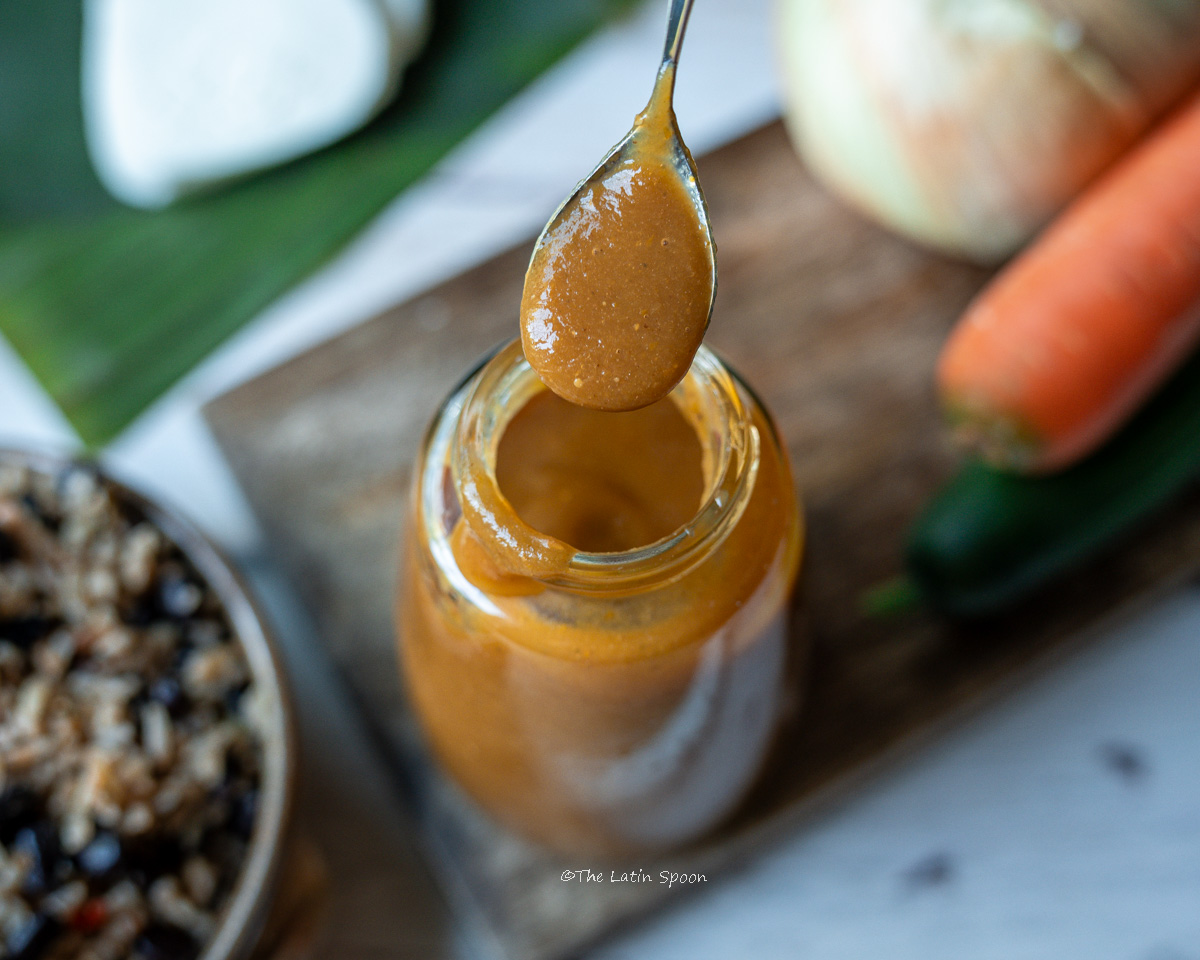
I can usually find Lizano Sauce at Latin American grocery stores, but it is not always available nearby. There were times when I had to drive quite a distance just to buy a bottle. Because I use it so often, I decided to start testing my own homemade version using ingredients that are easy to find in most U.S. grocery stores.
After several attempts, I found a combination that comes remarkably close to the flavor I remember. This homemade version is slightly less acidic than the store-bought sauce, and it gives you the option to adjust the salt, heat, acidity, and thickness to your preference.
The recipe takes some time to cook, but the process itself is simple. Most of the work is allowing the vegetables and seasonings to simmer slowly until the flavors become concentrated.
Watch Video Here
What Is Lizano Sauce?
Lizano Sauce is a Costa Rican vegetable-based condiment with a savory, slightly sweet, tangy, and gently spiced flavor. Its consistency is smooth and pourable, and although it is sometimes compared to Worcestershire sauce, it has its own distinctive taste.
The sauce was created in 1920 in Alajuela, Costa Rica, by Próspero Jiménez and Próspero Lizano. What began as a sauce prepared in a small local cantina eventually became one of the country’s most recognizable food products. More than a century later, its familiar green label can still be found in homes, restaurants, and grocery stores throughout Costa Rica.
For Costa Ricans, Lizano Sauce is much more than a table condiment. It is used while cooking and added to finished dishes, including gallo pinto, tamales, beans, rice, picadillos, eggs, meats, and soups. Its flavor has become so closely connected to Costa Rican food that a small amount can immediately make a dish taste familiar.
The exact commercial recipe is kept secret, but the sauce is known for its combination of vegetables, seasonings, sweetness, and acidity. That balance is what I tried to recreate in this homemade version.
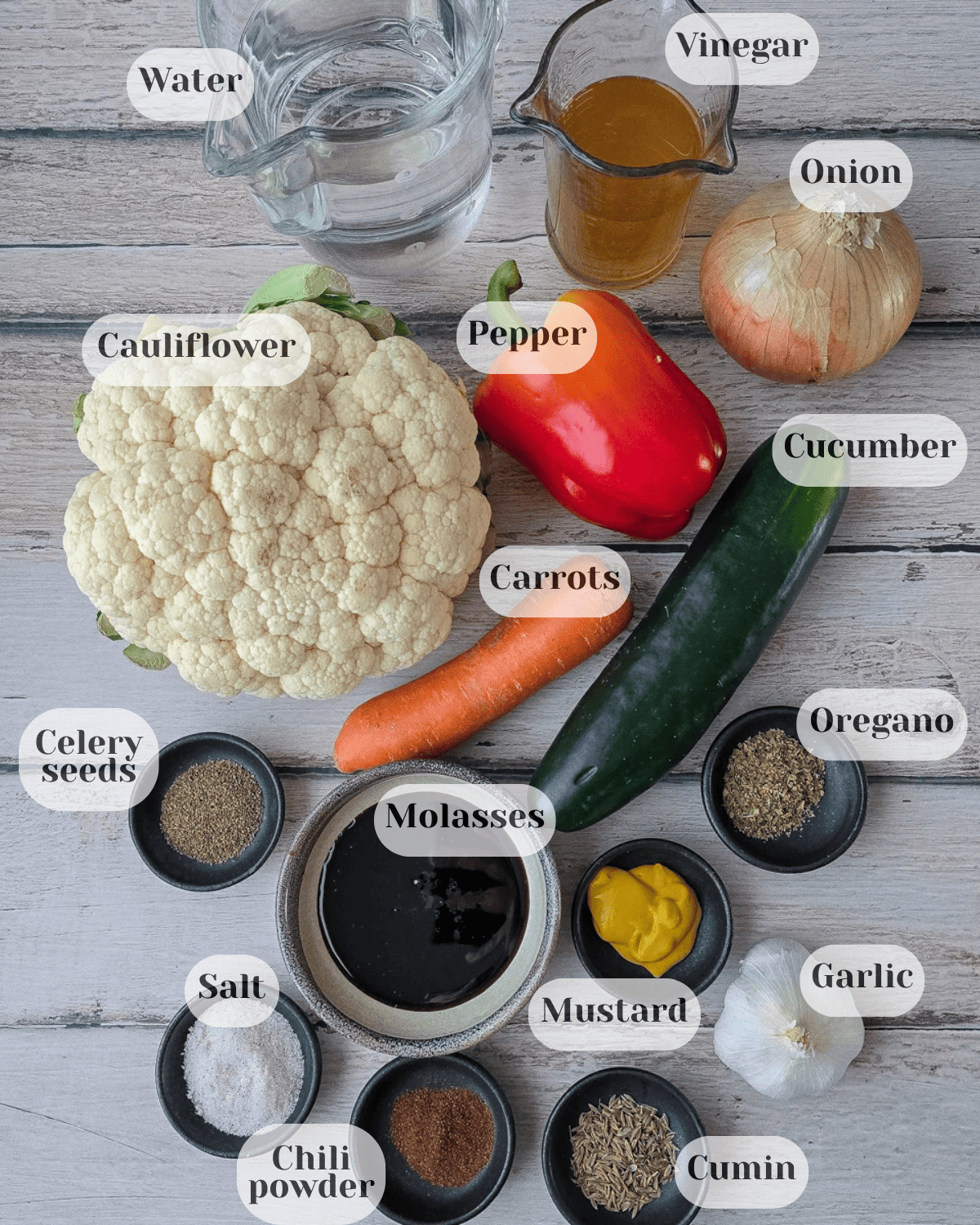
Ingredients for Homemade Lizano Sauce
You will need a combination of vegetables, spices, molasses, and vinegar. Each ingredient helps create the color, consistency, and distinctive flavor of the finished sauce.
🥦 Cauliflower, cucumber, and carrot
These vegetables form the base of the sauce and help give it body, a smooth consistency, and some natural sweetness.
I cut the carrot into smaller pieces because it takes longer to soften than the other vegetables.
You can leave the cucumber peel on or remove it, depending on the texture you prefer. The cauliflower helps thicken the sauce without leaving an overpowering flavor. These vegetables also provide fiber and create a good consistency without requiring an additional thickener.
🫑 Bell pepper, onion and garlic
The bell pepper and onion add flavor and depth to the vegetable base. You do not need to chop them finely because they will be cooked until tender and then blended.
You can use a red, green, or yellow bell pepper. Red bell peppers tend to be slightly sweeter, while green ones have a more pronounced flavor.
For the onion, I recommend using white or yellow. Red onion also works, although it may slightly affect the final color of the sauce.
I use fresh garlic because it provides a more noticeable flavor and cooks well with the vegetables.
🌶️ Chile powder
I use chipotle powder because it adds moderate heat and a light smoky flavor.
You can substitute jalapeño powder, cayenne pepper, or another ground dried chile. Begin with a small amount and adjust it according to your heat preference.
This sauce is meant to be gently spiced rather than extremely hot.
🌿 Celery seeds, cumin, and oregano
For this recipe, I use ground cumin and dried oregano. They help give the sauce a deeper and more developed flavor.
Celery seeds have a fairly concentrated taste, so use the amount indicated to prevent them from overpowering the other ingredients.
🟡 Mustard
I use prepared yellow mustard because it adds acidity and helps bring together the flavors of the spices, molasses, and vegetables.
Dijon mustard can also be used, but it has a stronger and sharper flavor that may slightly change the finished sauce.
🍯 Molasses
Molasses is one of the most important ingredients in this recipe. It gives the sauce its deep brown color and contributes some of its sweetness and richness.
I recommend using unsulphured molasses, which is the type commonly sold for cooking and baking in the United States.
I would not replace it entirely with white sugar because sugar does not provide the same color or depth of flavor. Dark brown sugar can work in a pinch, but the finished sauce will taste slightly different.
🍎 Apple cider vinegar
I like using apple cider vinegar because it adds enough acidity to balance the sweetness of the molasses and the flavor of the vegetables.
I prefer it because it tastes slightly milder than distilled white vinegar. You can use white vinegar instead, but add it gradually and taste the sauce before adding more.
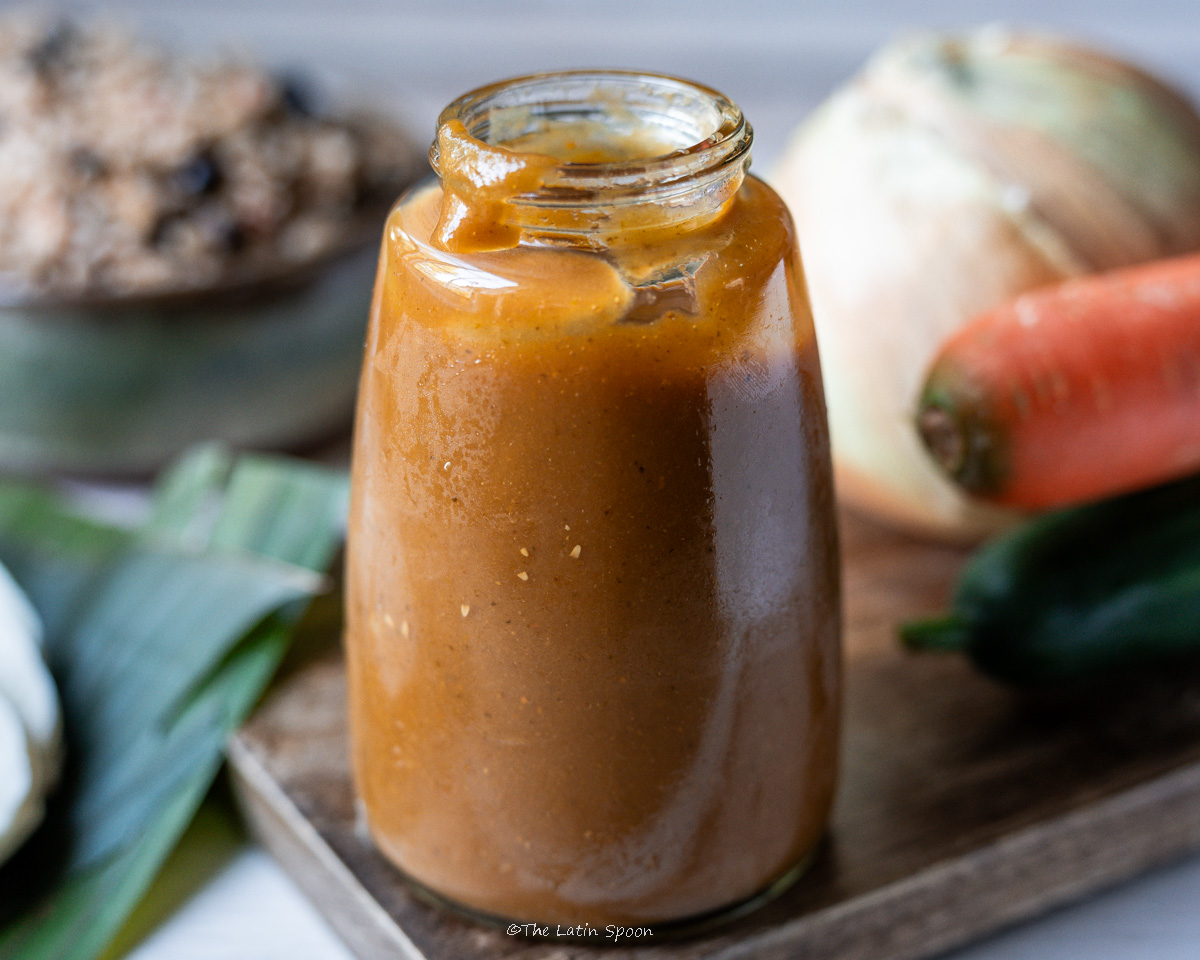
💡Tips for the Best Homemade Lizano Sauce
- Wash all the vegetables carefully before cutting them, especially when leaving the peel on the cucumber.
- Keep the first cooking stage at a gentle simmer. The bubbles should remain small so the vegetables soften without losing too much liquid through evaporation.
- Allow the cooked vegetables to cool for a few minutes before blending. When blending a warm mixture, remove the center cap from the blender lid and cover the opening with a clean kitchen towel so steam can escape.
- Begin blending at low speed and increase it gradually. This helps prevent pressure from building beneath the lid.
- Use low heat during the second cooking stage. As the sauce becomes thicker, it can splatter if it boils too vigorously.
- Check the pot every 5 to 10 minutes and stir along the bottom to keep the sauce from sticking.
- Add the salt gradually. Allow the sauce to cook for a few minutes after each addition, and taste it again before adding more.
- The sauce thickens as it cooks and may develop a little more body as it cools. Keep this in mind before reducing it too much.
- For a smoother texture, blend the finished sauce for several minutes. You can also pass it through a fine-mesh strainer to remove any small pieces of vegetables.
- Use clean bottles or jars and keep the finished sauce refrigerated.
How to Make Homemade Lizano Sauce
This recipe includes two cooking stages and two rounds of blending. The first cooking stage softens the vegetables, while the second concentrates the seasonings and brings the sauce to the desired consistency.
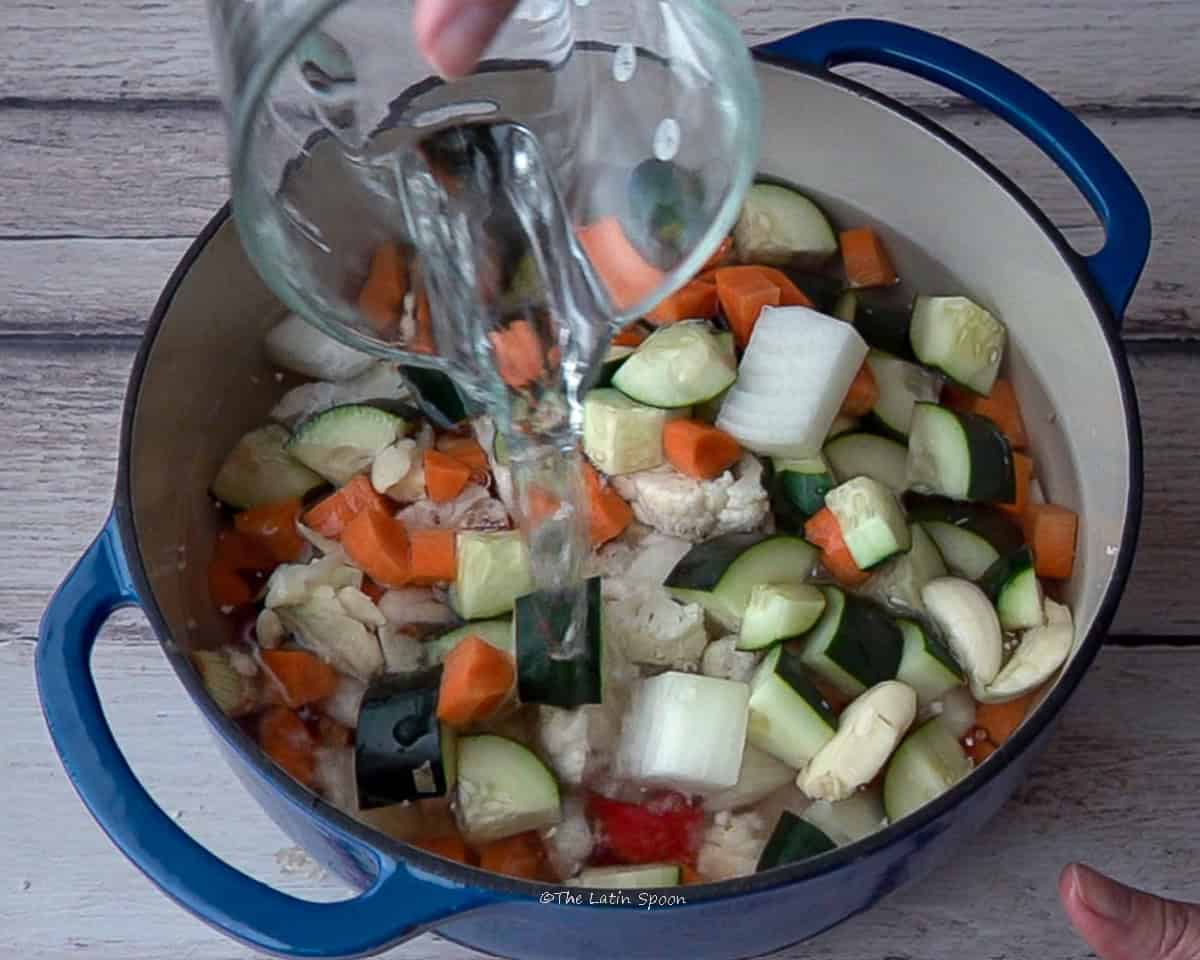
Step 1: Prepare the vegetables.
Wash the vegetables thoroughly, cut them into small pieces, and place them in a large pot. Add the water.
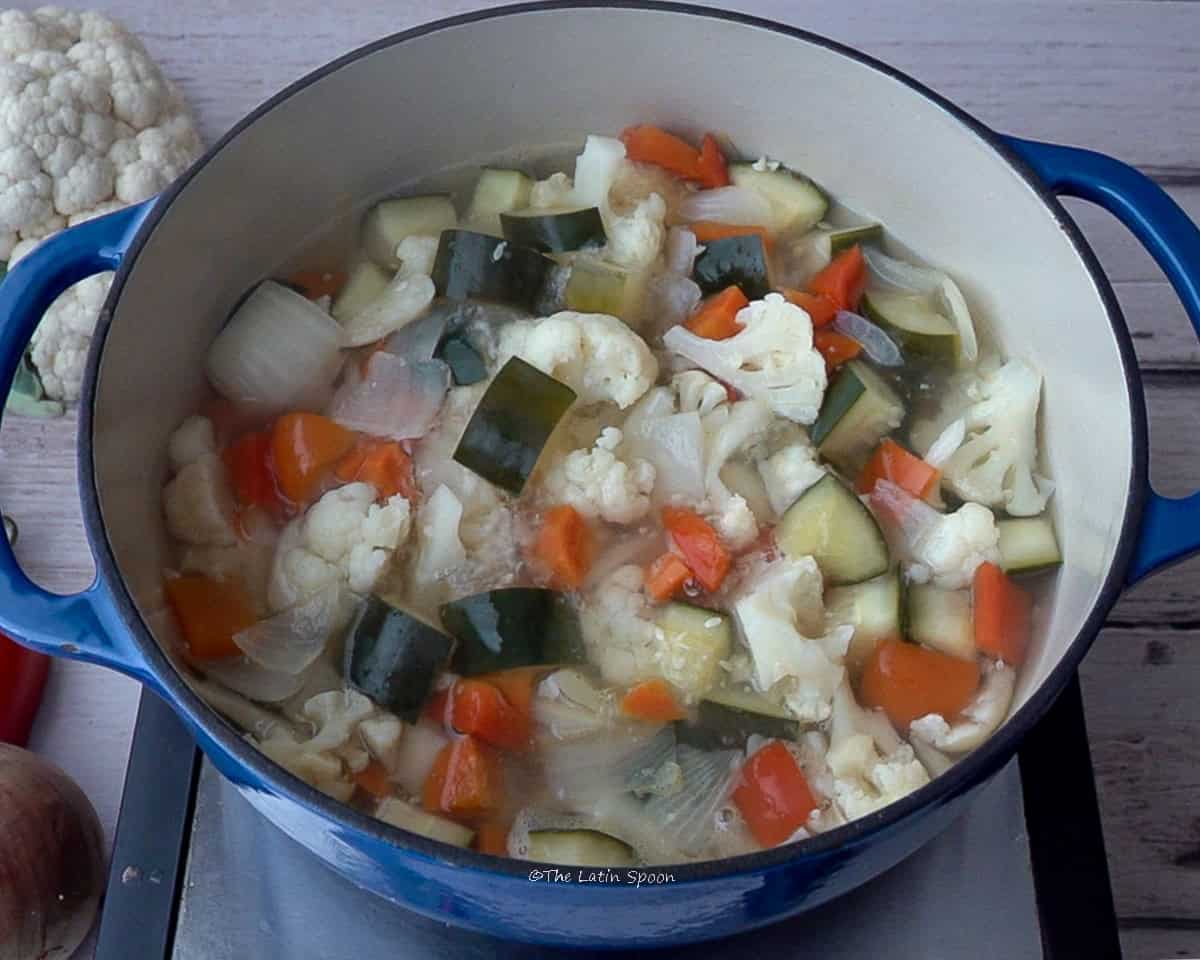
Step 2: Cook the vegetables.
Place the pot over medium heat. Once the water begins to simmer, reduce the heat.
Cook the vegetables for approximately 50-60 minutes, maintaining a gentle simmer.
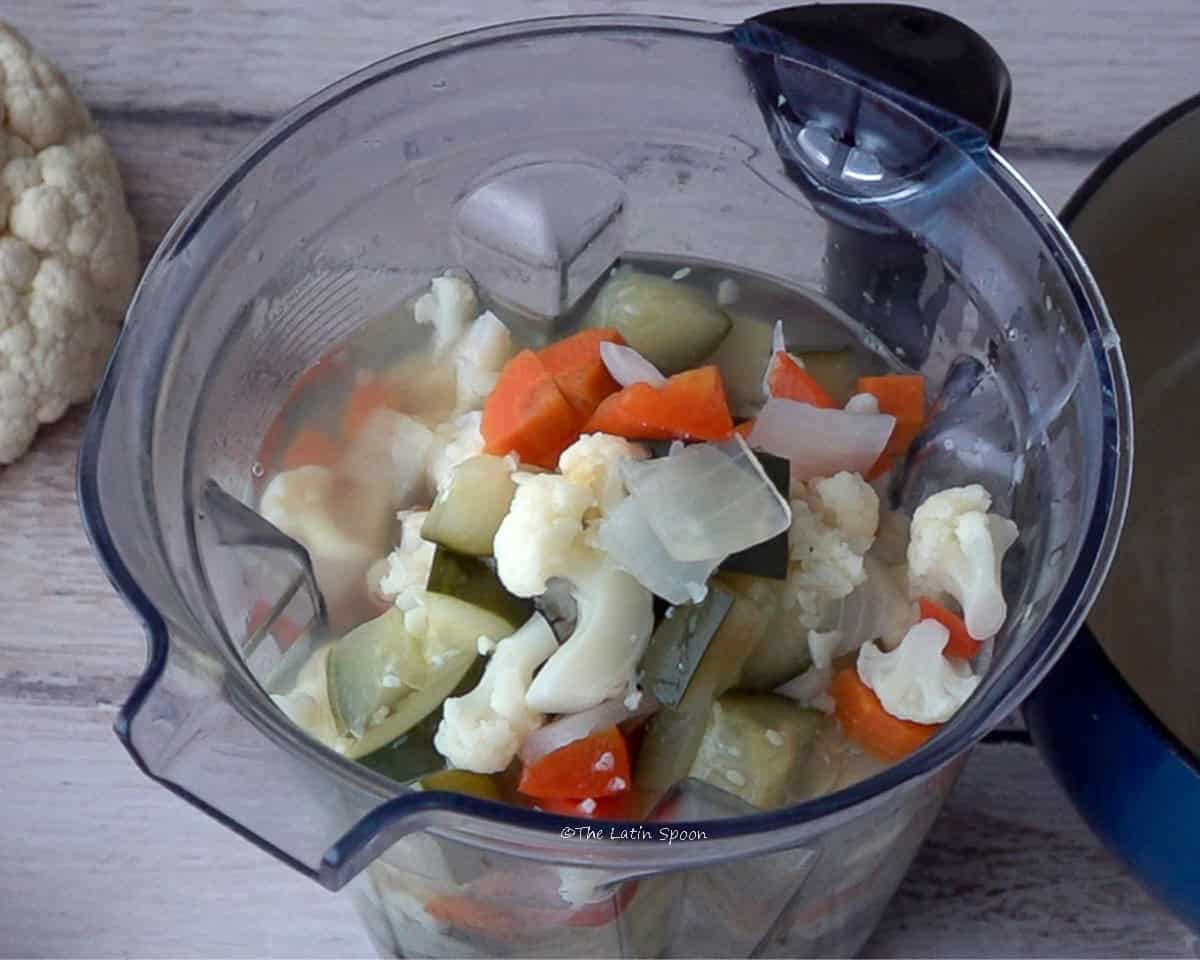
Step 3: Blend the vegetables.
Remove the pot from the heat and let the mixture rest for 5 to 10 minutes.
Carefully transfer the vegetables and cooking liquid to a blender. Begin at low speed and blend for approximately 2 minutes.
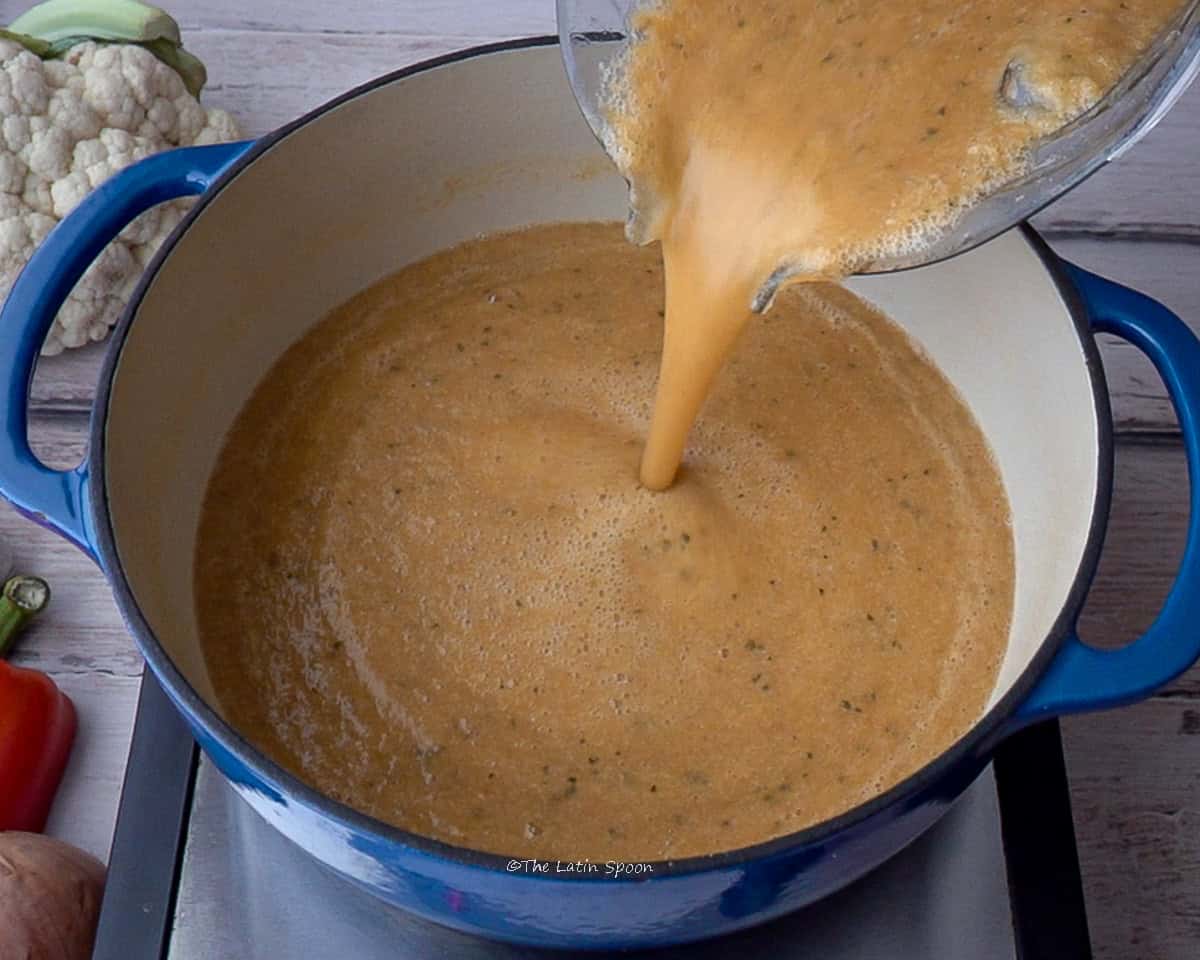
Step 4: Return the mixture to the pot.
Carefully pour the blended vegetable mixture back into the pot.
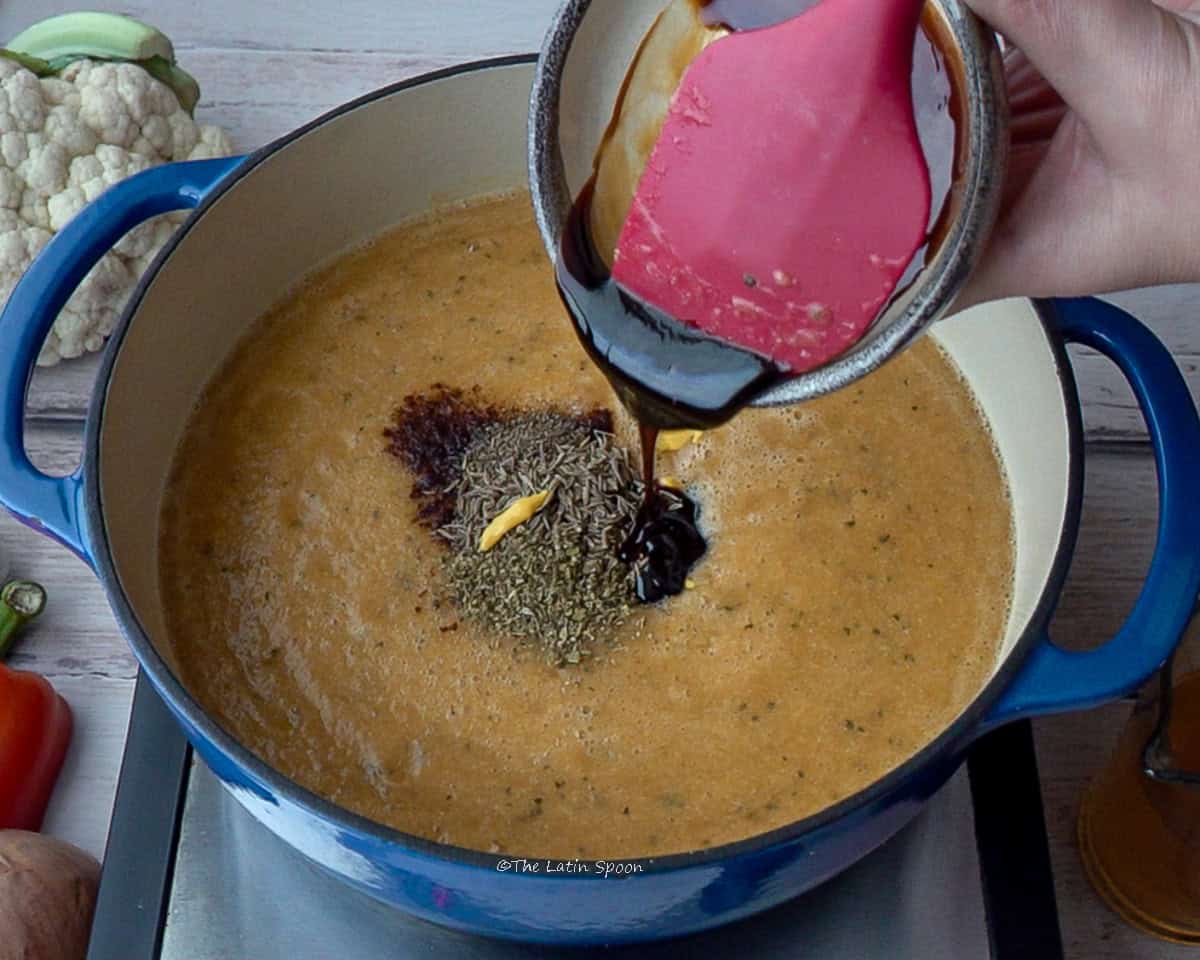
Step 5: Add the seasonings.
Add the chile powder, celery seeds, cumin, oregano, mustard, molasses, and apple cider vinegar. Stir until everything is evenly combined.
Add the salt gradually, tasting between each addition until the seasoning is to your liking.
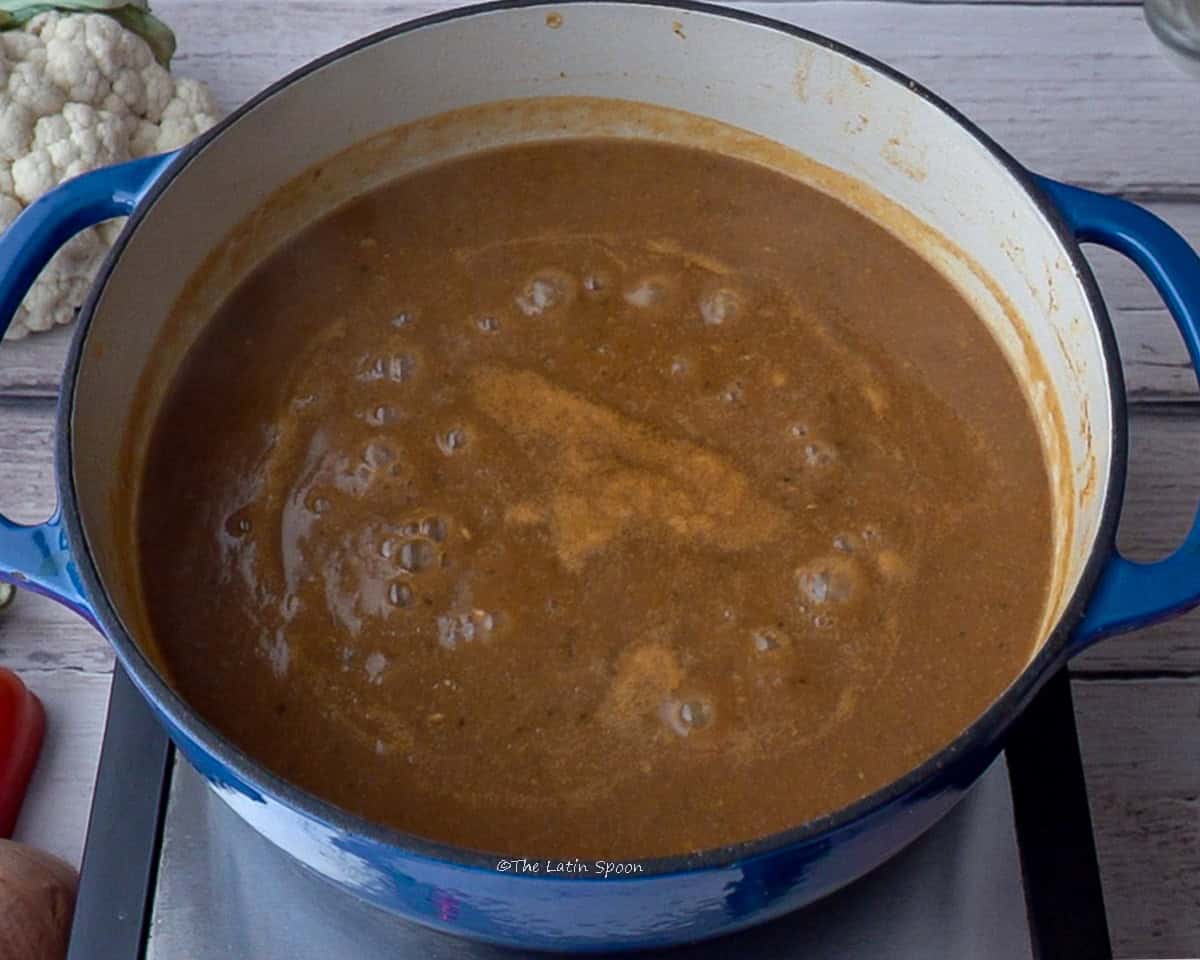
Step 6: Cook over low heat.
Cook the sauce over low heat for approximately 1 hour.
Check it every 5 to 10 minutes and prevent it from boiling with large bubbles.
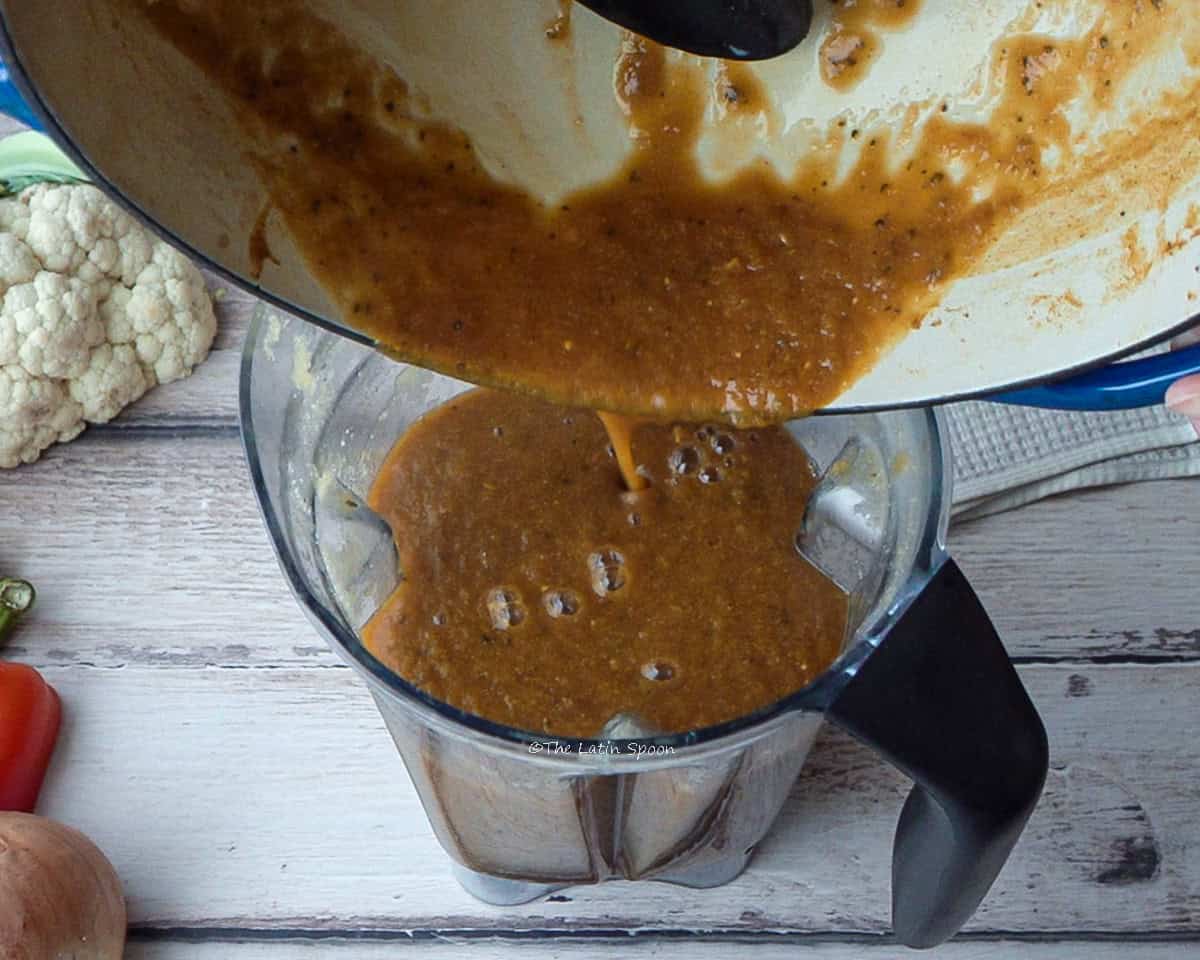
Step 7: Blend the sauce again.
Remove the sauce from the heat and let it rest for approximately 10 minutes.
Blend it again for about 3 minutes or until it reaches a smooth and even consistency.
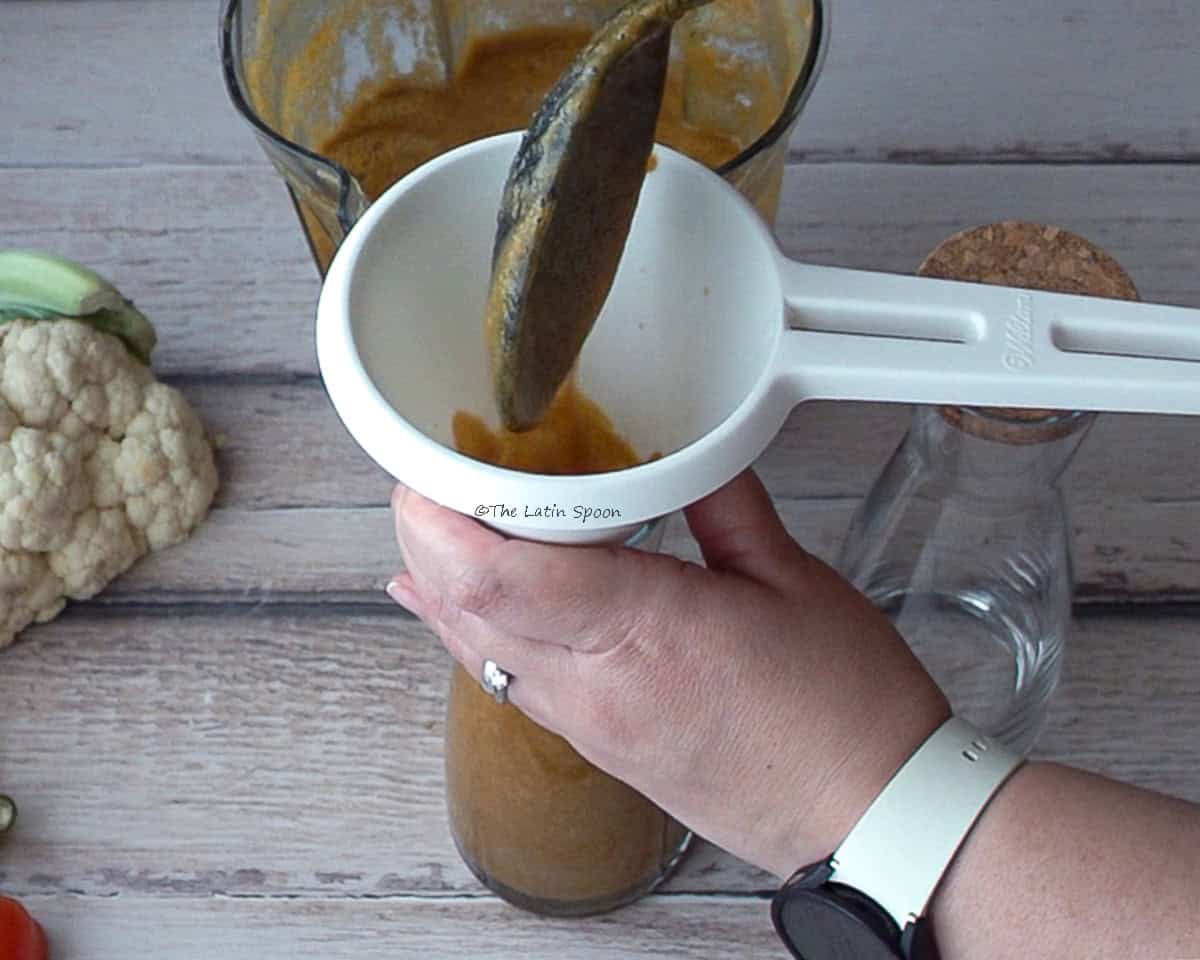
Step 8: Bottle the sauce.
Using a funnel, carefully transfer the sauce to clean bottles or jars.
Allow it to cool, close the containers tightly, and store the sauce in the refrigerator.
🫙 Frequently Asked Questions About Homemade Lizano Sauce
The flavor is very similar, especially because of the combination of vegetables, molasses, vinegar, and spices.
However, commercially produced Lizano Sauce has a more pronounced acidity and is made using a standardized commercial process. This homemade version tastes slightly milder, but you can add more vinegar according to your preference.
No. They are both savory brown condiments, and they can sometimes be used in similar ways, but their flavors and ingredient profiles are different.
Lizano Sauce has a noticeable vegetable base and a mild combination of sweetness, acidity, and spices. It is also generally less sharp than Worcestershire sauce.
Lizano Sauce is flavorful and lightly spiced, but it is not normally considered a hot sauce.
The chipotle powder in this recipe adds a small amount of heat. You can reduce it, omit it, or add a little more depending on your preference.
Yes. Divide all the ingredients in half to prepare a smaller amount.
You can also double the recipe and use a whole cauliflower when making several bottles. Make sure your pot and blender are large enough to handle the additional volume safely.
In my experience, I have kept it refrigerated for more than a month and it has remained in good condition. However, the exact storage time can vary depending on the cleanliness of the containers, the refrigerator temperature, and how the sauce is handled.
Store it in very clean, tightly closed bottles or jars, and always use clean utensils. Discard it if you notice mold, bubbling, an unusual odor, or any other sign of spoilage.
For longer storage, divide the sauce into smaller portions and freeze the amount you will not be using soon.
🍽️ A Costa Rican Sauce to Use in More Than One Recipe
What I enjoyed most about developing this recipe was discovering that simple vegetables, seasonings, and a little patience can create something remarkably close to a sauce I have used since childhood.
You can adjust the finished sauce to suit the way you cook. Leave it a little thicker, add more vinegar for a tangier flavor, or increase the chile powder for a little more heat.
Use it to season Gallo pinto, Costa Rica’s traditional rice-and-beans dish, or add it to a Shimp and Rice. It also works well in Costa Rican tamales and adds flavor to beans, rice, soups, eggs, roasted vegetables, and meats.
I hope you give this Homemade Lizano Sauce a try. Let me know in the comments how you used it, whether you made any adjustments, and how it turned out.
Besitos (Kisses)
Mara
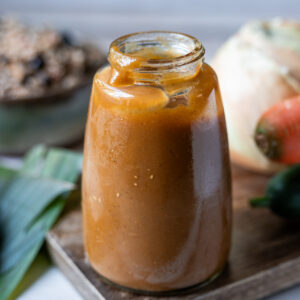
Homemade Lizano Sauce
Equipment
- 1 large pot
- 1 Cutting board and knife
- 1 Blender
- 1 Funnel
- measuring cups
Ingredients
- ½ medium head cauliflower
- ½ red bell pepper
- ½ medium onion
- 1 medium cucumber
- ½ medium carrot
- 4 garlic cloves
- 5 cups of water
- ½ teaspoon chile powder
- 1 teaspoon celery seeds
- 1 teaspoon ground cumin
- 1 teaspoon dried oregano
- 2 teaspoon mustard
- 5 tablespoon Molasses
- 1 cup vinegar
- 4 teaspoon salt
Instructions
- Wash all the vegetables thoroughly, cut them into small pieces, and place them in a large pot. Add the water.
- Place the pot over medium heat. Once the water begins to simmer, reduce the heat and cook for about 50 minutes, keeping it at a gentle simmer.
- Remove the pot from the heat and let the mixture cool for 5 to 10 minutes. Carefully transfer it to a blender and blend for about 1 minute, starting at low speed.
- Carefully pour the blended vegetable mixture back into the pot.
- Add the chile powder, celery seeds, cumin, oregano, mustard, molasses, and apple cider vinegar. Stir until well combined.
- Add the salt gradually, tasting between each addition, and continue cooking until the sauce reaches your preferred flavor and consistency.
- Cook the sauce over low heat for about 1 hour. Check it every 5 to 10 minutes and avoid letting it boil with large bubbles.
- Remove the sauce from the heat and let it cool for about 10 minutes. Blend again for approximately 3 minutes or until smooth.
- Using a funnel, transfer the sauce to clean bottles or jars. Let it cool completely, cover tightly, and store in the refrigerator.
Video
Notes
- Keep both cooking stages at a gentle simmer to prevent too much liquid from evaporating and to reduce splattering.
- Add the salt gradually because the flavor becomes more concentrated as the sauce cooks.
- The sauce will thicken as it reduces and may become slightly thicker once it cools.
- Store the sauce in very clean bottles or jars with tight-fitting lids and keep it refrigerated.
- For longer storage, divide the sauce into smaller portions and freeze what you will not use soon.


Leave a Reply